Everything You Need to Know About Court Marriages
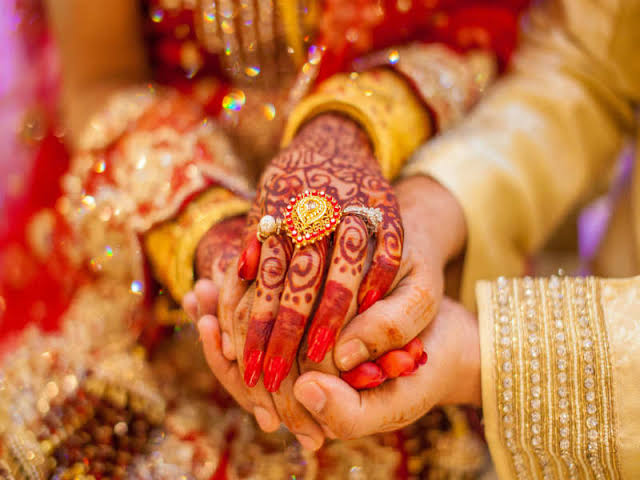
Court marriages have become increasingly popular for couples looking to marry in a straightforward, legally recognized manner. This blog post will guide you through everything you need to know about court marriages, including the advantages, legal requirements, and the process across different regions, such as Uttar Pradesh. By the end, you will have a clear understanding of how to proceed with a court marriage and what to expect.

What is Court Marriage?
Court marriage is a legal marriage conducted in a court or under the jurisdiction of the law, without the need for a traditional ceremony. It is often favored by couples who wish to avoid lengthy wedding rituals or who belong to different religions or communities. In essence, it is a way of formalizing a relationship with legal backing, ensuring that the rights of both partners are protected.
Advantages of Court Marriages
Court marriages come with numerous benefits, making them appealing for modern couples:
Simplicity: The process is straightforward and often can be completed in a single visit to the court.
Time-Efficient: No elaborate planning is required; couples can marry quickly and easily.
Legal Protection: Court marriage provides legal recognition which is essential for rights related to property, inheritance, and other legal matters.
Privacy: For those who prefer to keep their relationships away from public scrutiny, court marriages are discreet.

Legal Requirements for Court Marriage
For a court marriage to be valid, certain legal requirements must be met. In most regions, including Uttar Pradesh, the following conditions apply:
Age: The minimum age for marriage is 21 years for males and 18 years for females.
Free Consent: Both parties must give their free and voluntary consent to the marriage.
No Close Relatives: The couple must not be close blood relatives as defined by law.
Notice of Intended Marriage: A notice must be submitted to the marriage registrar at least 30 days before the marriage.
Important Documents Needed
The essential documents required for court marriage typically include:
Government-issued ID proof (Aadhaar card, passport, etc.)
Address proof
Passport-sized photographs
Affidavit declaring the date of birth
Witnesses’ ID proof and photographs
Having all the required documents in order can make the process smoother and faster.
How to Apply for Court Marriage in UP?
If you are planning a court marriage in Uttar Pradesh, you need to follow these steps:
Gather Documents: Collect all necessary documents such as ID proof, address proof, and photographs.
Visit Marriage Registrar: Go to the local marriage registrar office. Check the official website for the specific submission process for court marriage.
Fill out the Application Form: Complete the application form for court marriage with all required personal details.
Submit the Notice: Submit the notice of intended marriage. This notice must be publicly displayed, and it allows anyone to raise objections if they see fit.
Verify and Wait: Wait for 30 days after the notice is displayed. If no objections are raised, you can proceed to complete the marriage.
Finalize the Marriage: On the day of marriage, bring along your witnesses, and complete the necessary legal formalities.
For specific information regarding the requirements for a court marriage in Noida, you can refer to the official court marriage in Noida link.

Cost of Court Marriage
The cost of a court marriage can vary based on several factors such as the state, the specific court, and any additional services availed. Generally, you can expect the following expenses:
Registration Fee: This typically ranges from INR 100 to INR 500.
Affidavit Charges: Costs for affidavits may vary; budget around INR 300 to INR 500.
Additional Costs: If you wish to hire a lawyer or any additional services for assistance, that could add on to the total cost.
Overall, court marriages are much cheaper than traditional weddings, saving couples significant expenses.
Islamic Court Marriage Requirements
In India, Islamic marriages can also take place in court, known as "Nikah." The requirements for an Islamic court marriage include:
Consent: Both parties must give their consent for the marriage.
Witnesses: Two male witnesses (or one male and two female witnesses) are necessary.
Mahr: The groom must provide Mahr (a specified amount of money or property) to the bride.
Couples must also submit relevant documents including identity proof and address proof as outlined for conventional court marriages.
Securing Rights After Court Marriage
One of the essential aspects of court marriages is the legal protection offered to both partners. Couple's rights include:
Property Rights: A spouse has rights to property acquired during the marriage.
Inheritance: Court marriages allow automatic rights to inheritance as per the Indian Succession Act.
Maintenance: In case of any disputes, the spouse can seek legal alimony.
Utilizing a court marriage provides both parties the security and rights that are recognized and protected by law.
Final Thoughts
Navigating through court marriage can be effortless if you follow the necessary guidelines and procedures. It offers a straightforward and legal means to unite with your partner without the pressures of traditional ceremonies. Embracing this modern approach to marriage can save time and money while still ensuring that both partners are legally protected.
Consider your options wisely and gather all necessary information before proceeding. Remember, a court marriage empowers couples with rights and legal recognition that stand as a foundation for a healthy relationship. So if you are contemplating a court marriage, dive in with all the right knowledge, and enjoy this new chapter of life.


Comments